
CALL US TODAY:


Fleas and Ticks: How to Protect Your Pets Throughout the Year
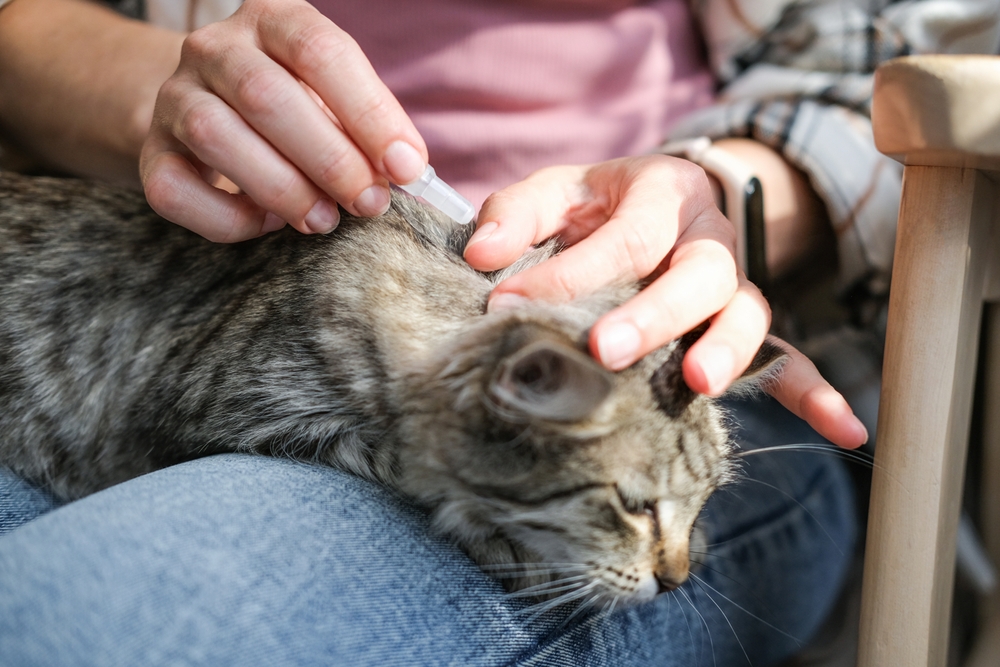
Fleas and ticks are more than a seasonal nuisance. These parasites can cause skin irritation, allergic reactions, and potentially serious health problems for dogs and cats. In San Antonio, TX, mild winters and warm temperatures allow fleas and ticks to remain active throughout much of the year. At MPC of Texas, we encourage pet owners to prioritize year-round flea and tick prevention to keep their pets healthy and comfortable.
Why Flea and Tick Prevention Matters Year-Round
Many pet owners assume fleas and ticks disappear when temperatures drop. However, San Antonio's generally mild climate creates favorable conditions for these parasites, even during cooler months.
Fleas can survive indoors throughout the year, while ticks may remain active outdoors whenever temperatures are suitable. Skipping preventive treatments during winter can leave pets vulnerable to infestations and parasite-related illnesses.
Consistent flea and tick prevention helps reduce these risks and protects your pet regardless of the season.
Common Health Risks Associated With Fleas and Ticks
Fleas and ticks can cause more than itching. Without proper prevention and treatment, pets may experience several health complications.
Flea Allergy Dermatitis: Some pets develop allergic reactions to flea saliva, causing intense itching, redness, and hair loss.
Tapeworm Infections: Dogs and cats can become infected with tapeworms after swallowing an infected flea while grooming.
Tick-Borne Diseases: Ticks can transmit infections such as ehrlichiosis and anaplasmosis, which may cause fever, lethargy, and other symptoms.
Anemia: Severe flea infestations can cause significant blood loss, particularly in puppies, kittens, and smaller pets.
Skin Infections: Excessive scratching and biting can damage the skin and lead to secondary bacterial infections.
Recognizing these risks helps pet owners understand why parasite prevention is an important part of routine veterinary care.
Choosing the Right Flea and Tick Prevention
Not all flea and tick preventives work the same way. Some products target fleas, while others protect against both fleas and ticks. Available options include oral medications, topical treatments, and certain preventive collars.
At MPC of Texas, we understand that every pet has different needs. Factors such as age, weight, medical history, lifestyle, and exposure risk can influence which preventive option is appropriate.
Pet owners should always use products specifically approved for their animal's species and weight. Certain flea and tick treatments designed for dogs can be toxic to cats. Our veterinary team can help you understand your options and establish an appropriate prevention schedule.
Additional Ways to Reduce Flea and Tick Exposure
While veterinary-recommended preventive medications provide important protection, maintaining a clean environment can further reduce your pet's exposure.
Regularly washing pet bedding, vacuuming carpets and furniture, and keeping grass trimmed can help limit flea and tick habitats. Checking your pet's coat after outdoor activities is also important, particularly around the ears, neck, armpits, and between the toes.
Even indoor pets can encounter fleas brought inside by other animals or people. Maintaining consistent prevention is important whether your pet spends most of its time indoors or outdoors.
When to Seek Veterinary Care
If your pet experiences persistent scratching, hair loss, skin irritation, unusual fatigue, or loss of appetite, a veterinary evaluation may be necessary. Finding fleas or ticks despite preventive treatment may also indicate that your current approach needs adjustment.
At MPC of Texas, we provide affordable preventive veterinary care to help pet owners in San Antonio protect their dogs and cats from common health concerns.
For guidance on year-round flea and tick prevention, contact MPC of Texas in San Antonio, TX, by calling (210) 690-3799. Our veterinary team is here to help you keep your pets healthy and protected throughout the year.

Message Us
Please note: Due to high demand, we are no longer able to make housecalls.
Powered by
